Why event attendance is not the metric that matters most anymore


A busy room can look like success. But attendance alone tells you very little about whether an event changed minds, strengthened relationships or moved an organisation closer to its goals.
Start with the outcome, not the headcount
Before deciding what to measure, be clear about what the event is meant to achieve. A leadership conference may need to create alignment. A customer event may need to deepen relationships or generate qualified conversations. An association congress may need to support learning, participation and community. Attendance is useful context, but it is not the outcome itself. When objectives are defined early, the event can be designed around them and the measurement plan becomes much more meaningful.
Look for evidence of active engagement
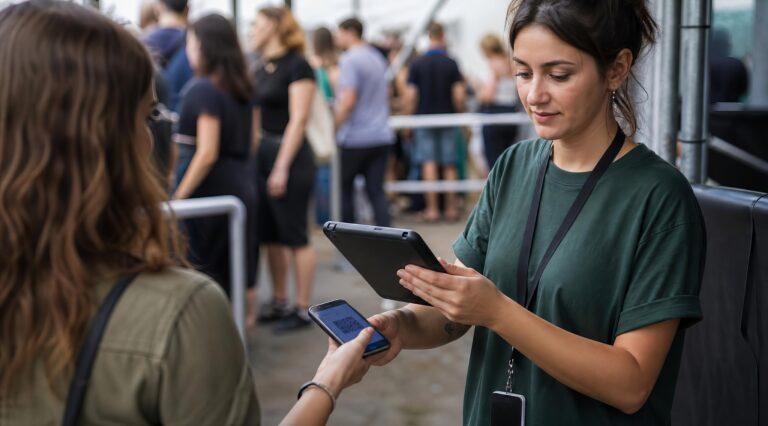
Registration data shows who intended to attend. Onsite and digital behaviour begins to show what people actually did. Session choices, dwell time, questions, poll responses, app interactions and participation in workshops can all help reveal where the audience found value. These signals should not be treated as isolated numbers. Together, they create a clearer picture of the attendee journey and the moments that generated attention, reflection or action.
Measure quality, not just quantity
More interactions are not always better interactions. Ten relevant conversations with the right people may be more valuable than hundreds of brief encounters. The same principle applies to content. A smaller session that leads to strong discussion, useful follow-up and positive behavioural change may outperform a packed room where the audience remains passive. Measurement should therefore consider the relevance, depth and quality of engagement.
Connect the event to what happens next
The strongest evidence often appears after the event. Did delegates share content, request a meeting, join a community, revisit an online resource or act on a commitment? Did sponsors receive worthwhile introductions? Did employees understand the strategy more clearly? A structured follow-up plan makes these outcomes easier to see and helps the event continue creating value beyond the live moment.
Build measurement into the experience
Measurement works best when it is part of the event design rather than added at the end. Define a small set of useful indicators, decide how data will be collected and make sure every question has a purpose. This creates a more focused reporting process and avoids overwhelming stakeholders with numbers that do not support a decision.
Final thought
Attendance still matters, but it should be the start of the conversation rather than the final verdict. A successful event brings the right people together, gives them a reason to participate and creates outcomes that can be understood, improved and carried forward.