Are we designing experiences people actually want to be part of?


Technology has transformed the events and exhibitions industry, but not always in the ways we think.
In this honest and personal reflection, Chris Litchfield, Rapiergroup’s Creative Director explores how modern life is shaping human behaviour, what he’s seen first‑hand in live environments, and why putting people, not technology, first leads to better, more memorable experiences.
Human First – What does that mean to you and the work that Rapiergroup does?
Firstly, I think it’s about taking an honest look at modern life, human experiences, and assessing what is good for us, along with what is not.
Let’s forget about events and exhibitions for a moment, and just look at how we live our lives now. If we are honest, most of us spend too much time on our devices. It’s so easy to get a quick hit from social media, news, apps, games, etc. We find ourselves connected to these things for more time than we probably care to admit.
I’m guilty of it too. And when I spend too much time connected to technology and content, I don’t feel enriched by it. In contrast I am left feeling exhausted, often numb, and sometimes anxious. Time flies by without my being conscious of it, and I don’t remember much of that time.
I am at my most creative when I am disconnected. When my mind can think clearly and deeply, when I can generate and develop ideas and write, free from interruptions, notifications and external distractions.
I’ve been doing a lot of thinking about this recently. When you consider it, our nervous systems are not wired up for the modern life we now live. Our brains have not evolved that much for thousands of years, yet tech advances and the rise of social media means that we are now oversaturated with content that overstimulates us. It’s not healthy. Algorithms are not created to ensure we are happy, healthy and productive. They are designed to keep us looking.
Don’t get me wrong, I am not anti-tech. Far from it. I enjoy the benefits from all these things. But I have become aware of the negative effects of too much of this. I’ve experienced it, and I see it – everywhere.
How is this relevant to our world of events and exhibitions?
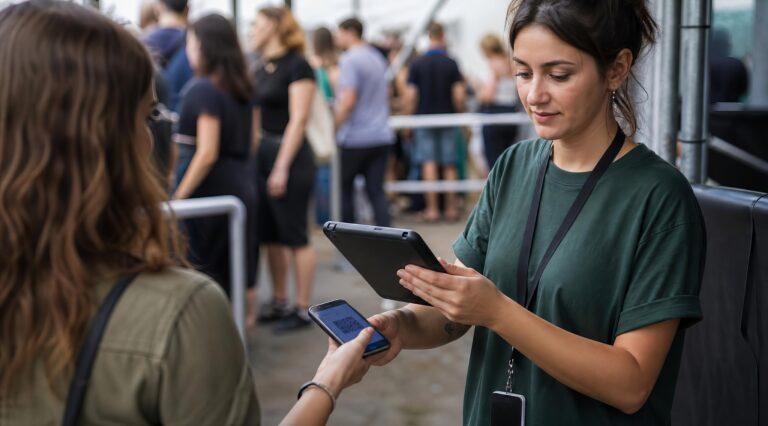
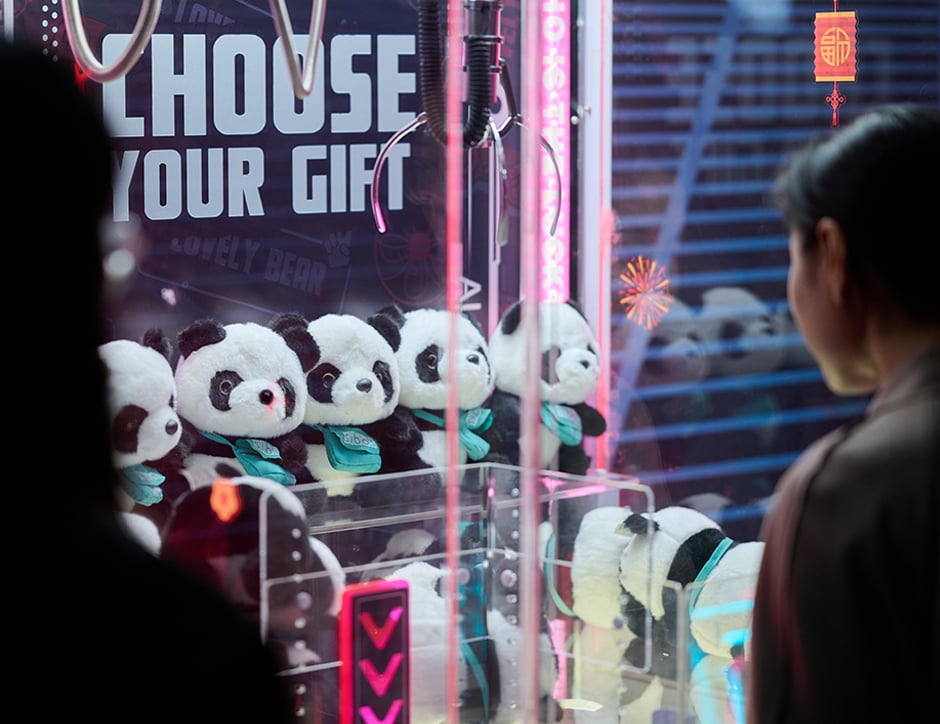
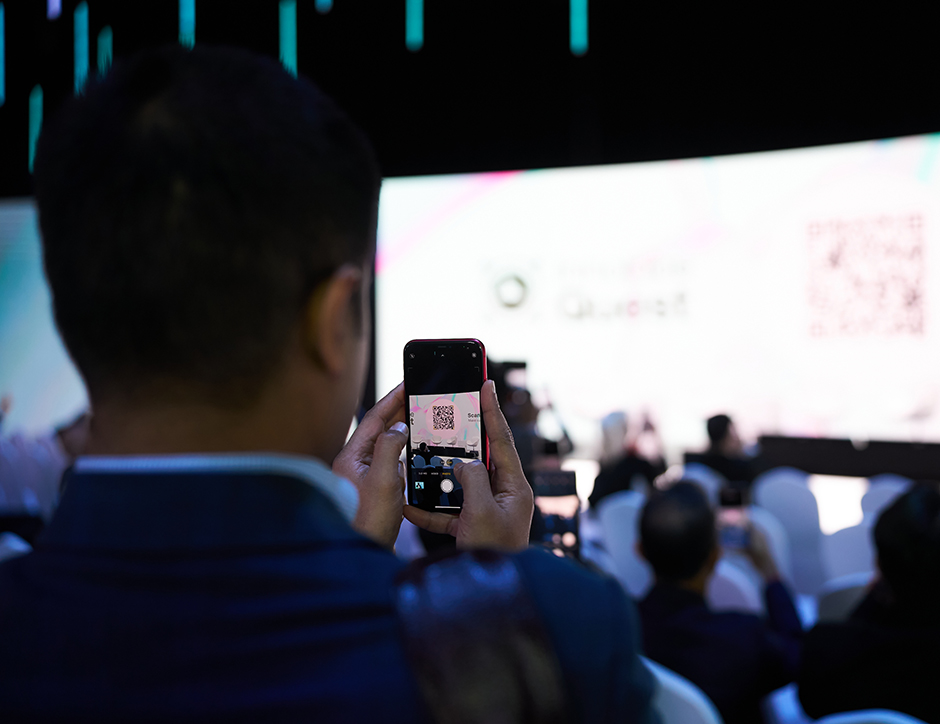
In recent years, I have walked around events and exhibitions, and been struck by the amount of people I see connected to their devices. Their experiences look solitary. They look like they are living in their heads, rather than experiencing what is around them. And most of them don’t look like they are having a good time. Often, they look stressed, anxious and under pressure. This isn’t good.
As event organisers and creators of these environments and experiences, we have an opportunity to address this. We should be designing more into these experiences that helps people engage face to face, creating authentic eye contact moments, connecting with each other and the environments around them.
We should create moments that encourage people to disconnect from devices, content and spectacle, and focus more on each other. Let them live in the moment, learn from each other and create memories that last. Most events have an element of networking and bring people together in person who share common interests. We should never forget that, and do whatever we can to create opportunities for enriching experiences that bring these people together authentically. When we do this, I see people who look happy, interested, relaxed and engaged. I see the human factor. That is ‘human first’ in practice.
I think it is more important than ever before that we build these moments into our event experiences as an alternative to things that are tech orientated or require interaction with screens and devices. If we do that, the tech-based experiences are stronger, more special and more memorable as a result. I am not being negative about tech, but sometimes less is definitely more. The best tech based experiences we have created are normally the simplest ones with a single focus and purpose, immediately understood by visitors with a clear value to them.
I have seen many experiences designed for technological spectacle that people just don’t engage with, and I ask myself why? The answer is that often these things demand time and commitment from people that the end result doesn’t justify.
People have become wise to this. It feels hollow. And that’s not good for a brand and how it is perceived by its audience.
So, if you are planning some sort of tech-based experience at your event or exhibition, it is worth asking yourself some important questions:
- Does this idea reduce or add friction to the visitor experience?
- Does this technology deepen meaning to the visitor, or is it just adding a novelty/spectacle factor?
- If yes, to the above, is the novelty/spectacle factor unique or good enough? Or has it been seen before?
- Ask yourself honestly, what will people remember about this three days later?
If your intended tech-based experience is good enough, the answers to the above will be positive ones, and you know you have a good idea on your hands. It’s about using technology with authentic intentions, and sometimes fully, but it has to be for the right reasons.
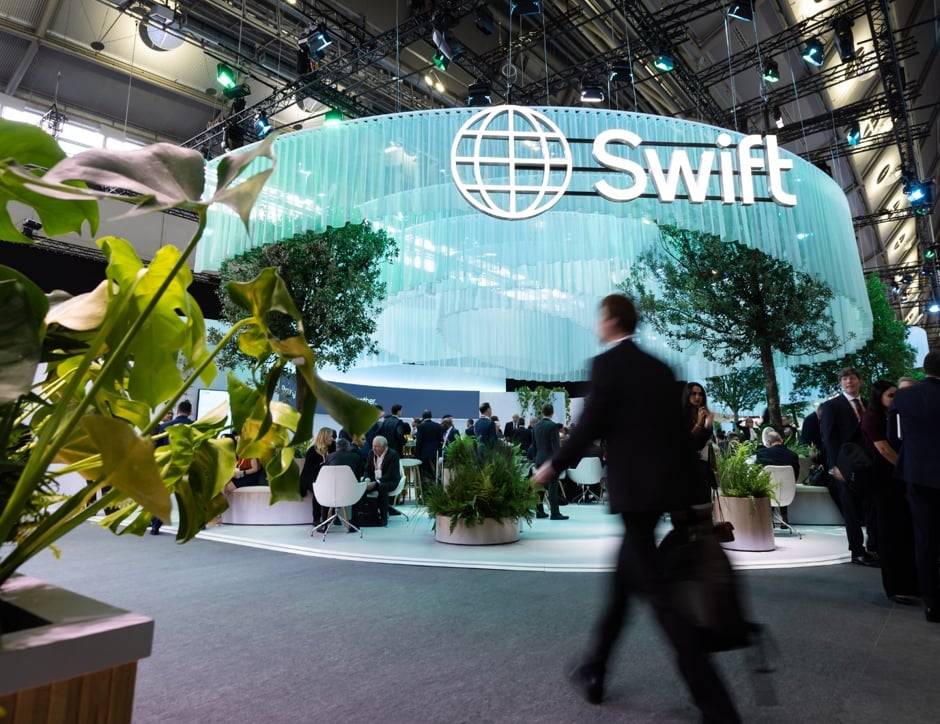
In recent years at Rapiergroup, we have put a lot of emphasis on making artificial event and exhibition environments feel more natural. Let’s face it, many venues and exhibition halls are not the prettiest of places. I like to think of these spaces as studios, and we create powerful settings within them. The right use of colour and materials can soften atmosphere, making environments more relaxing and tactile. Natural materials, living trees and plants have played a big part in environments we design, and lighting is incredibly important. When the right combination of these elements come together, we create spaces that people want to be in. They want to stay. And we’ve seen this work successfully at Sibos and Cisco Live.
Tech and content is always part of effective in-person experiences that we create, and rightly so. But it is used wisely and not everywhere. And sometimes the environment itself and physical experience on offer is better than what is available on screens or personal devices.
When we get this right, the results speak for themselves. Sibos 2025 was a great example of this. We saw people taking in the environments around them, the sights, the sounds, the smells. We saw them engaging with each other in the most human ways. Happy visitors, doing what they are meant to be doing. And more of them than ever before! It was so rewarding seeing the Swift stand and networking spaces fully utilised throughout the show, exactly as intended and so naturally. This doesn’t happen by accident, it requires knowledge of your audience along with careful thought, design and creativity.
And what about looking forward to future events?
I would say that as humans we live in an amazing time in terms of technology and our ability to access information instantly. But we need to be careful. Instant gratification quickly becomes hollow, and isn’t good for us.
We need to be mindful that we design experiences that maximise the potential of the technology available to us. And we need to remember what humans need most – and that is each other.
We should be aiming to bring people together in the best ways so they can create their own connections and experiences as much as possible. Sometimes without devices. That’s what they will remember most, and for all the right reasons.